Grateful for the ROS1ders: Reflections from the PRIME Summit
Collaborative summit with the ROS1+ lung cancer community announces new research collaborative for understudied cancer data.
October 6, 2026

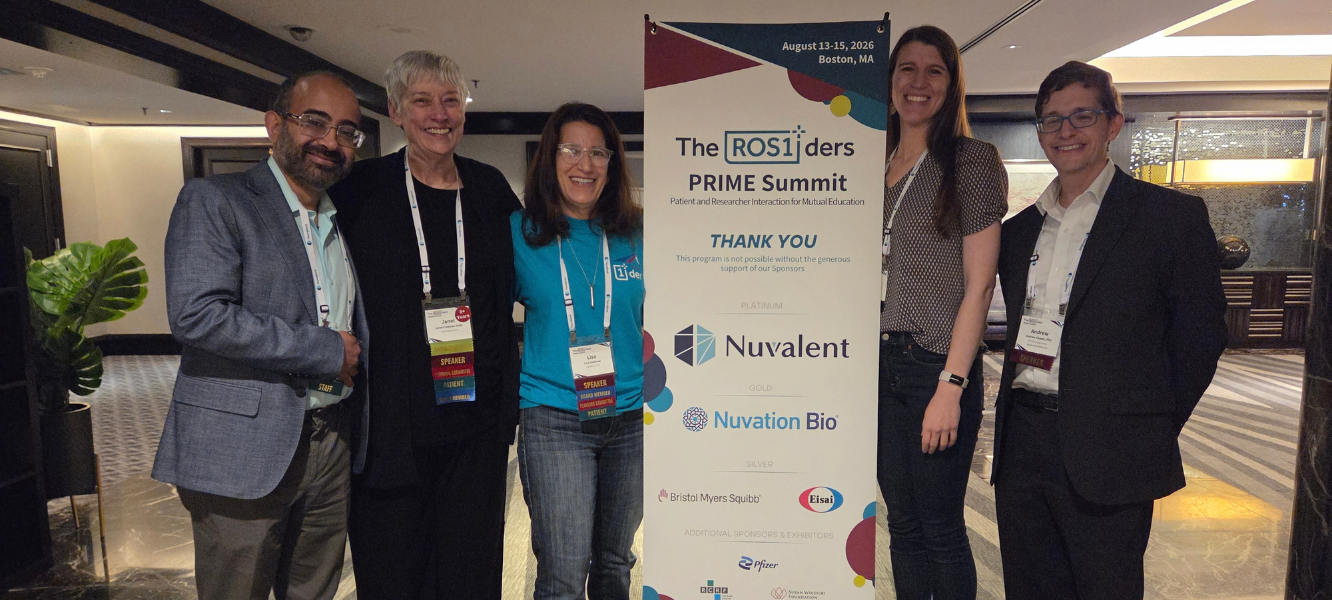
I recently traveled to Boston for The ROS1ders PRIME Summit, which stands for Patient and Researcher Interaction for Mutual Education. The ROS1ders (pronounced ross-wonders), are a global community of patients and caregivers living with ROS1+ cancer. I came home grateful, energized, and full of ideas about what's possible when a patient community leads its own research agenda.
A self-built community drives research for their cancer type
ROS1+ cancer affects a small share of people with lung cancer, driven by an abnormal genetic change that occurs when the ROS1 gene gets fused to another gene, leading cells to grow and divide out of control. The ROS1ders exist because a small group of ROS1+ lung cancer patients decided that rarity was not a reason to wait for someone else to fund answers to the questions they had. Since 2023, the organization has directed $525,000 to six research projects across five institutions, funded almost entirely through community donations.
During the summit's session about research priorities, Janet Freeman-Daily, The ROS1ders Co-founder and President, and Dr. Upal Basu Roy, ROS1ders board member and Executive Director of Research at LUNGevity Foundation, walked through what that funding has made possible so far and where it's headed next. Freeman-Daily also asked attendees to consider joining the Lung Cancer Genetics Study, our nationwide effort to collect genetic and patient-reported data to help researchers uncover how genetics and the environment impact lung cancer risk, progression, and response to treatment.
The summit’s educational sessions carried the same spirit. Dr. Geoffrey Liu, Professor of Medicine at the University of Toronto and a clinician-scientist at Princess Margaret Cancer Centre, led a session translating the biology of ROS1+ cancer into language a newly diagnosed patient could use in their next oncology appointment. The discussion included how to talk about mutation and biopsy types, and how ROS1+ cancer can become resistant to targeted therapy.
Another session, led by lung cancer survivor and The ROS1ders board member Amie Parker, showed attendees how to read and evaluate a lung cancer study’s credibility themselves, rather than relying on external summaries.
Lisa Goldman, The ROS1ders’ Co-founder and Vice President, led a wellness workshop on building and visualizing a personal mantra, and the panel “The Many Forms of Advocacy” made the case that participating in this community doesn't require a lab coat or a research background.
Sessions including ROS1 experts Dr. Jessica Lin, Dr. Alice Shaw, and Dr. Misako Nagasaka also highlighted available treatments, current research, and patient care for ROS1+ cancer.
A new home for cancer data that gets overlooked
The summit's biggest announcement was RUBRiC: the Rare and Understudied Biomarker Research Collaborative, launched by The ROS1ders alongside the Rare Cancer Research Foundation and Pattern.org.
RUBRiC is designed as a decentralized, open-access biorepository and registry built specifically for rare cancer research, the kind of research that too often gets deprioritized because the patient population is small. It's the same instinct that drives The ROS1ders' funding model: if no one else is going to build the infrastructure, build it yourselves.
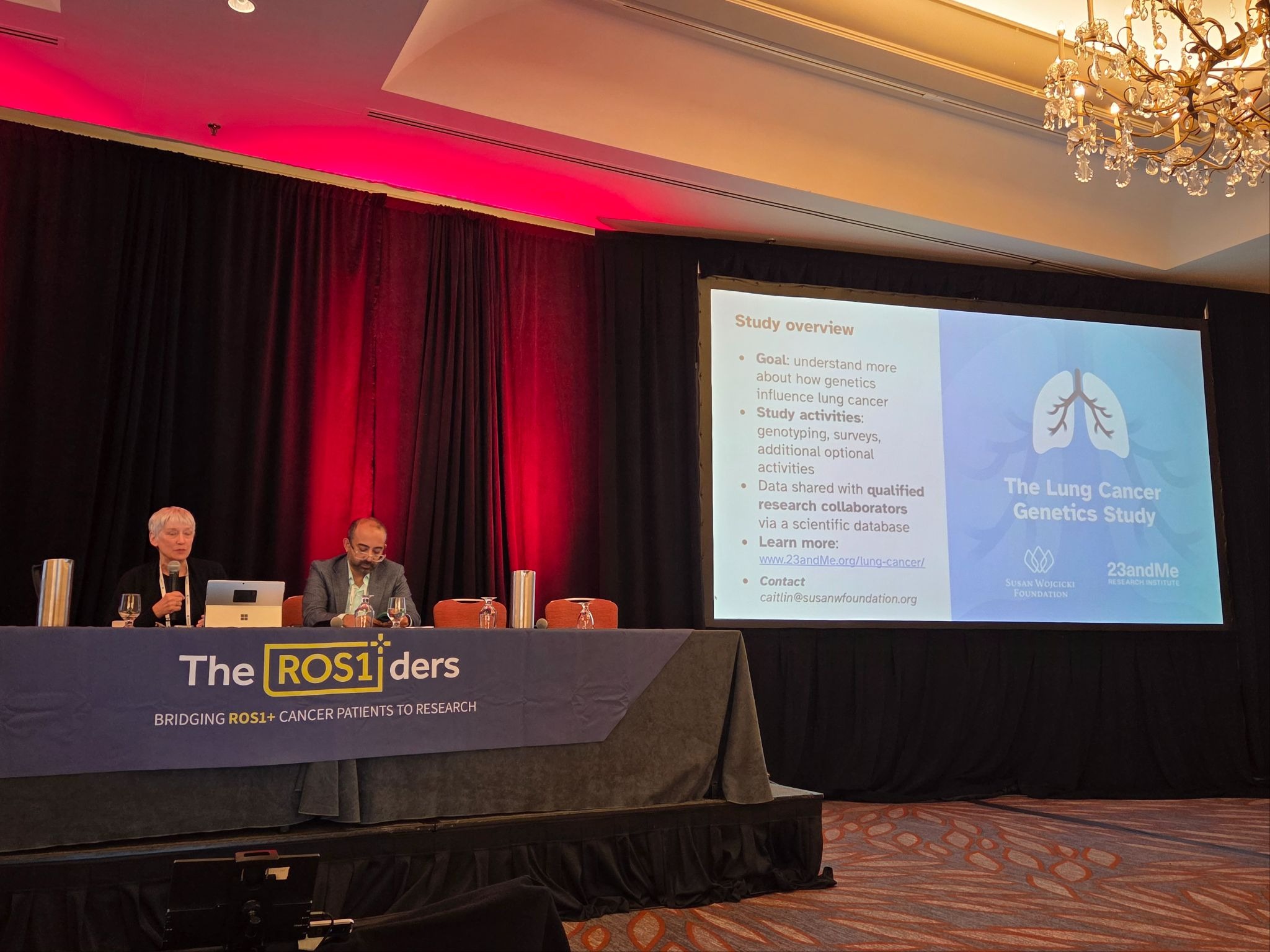
Lung cancer community collaboration in motion
You can clearly see the collaboration taking place throughout this community. Goldman and Freeman-Daily both serve on our Lung Cancer Genetics Study advisory committee, alongside Basu Roy and Dr. Andrew Ciupek, Associate Director of Clinical Research at GO2 for Lung Cancer, who also presented at the summit. We’re all working toward the same goal: to understand who gets lung cancer, and why, well enough to change what happens next.
I left the summit thankful for advocates like these, who give their time, expertise, and often their own stories to move this work forward. Rare-cancer communities like The ROS1ders aren't adjacent to the Foundation's work — they're often the ones pushing it forward, and we're fortunate to be in it alongside them.
To learn more about the Lung Cancer Genetics Study, our collaborators, and eligibility criteria, visit the study website.
Caitlin Nichols, PhD is Director of Scientific Affairs at the Susan Wojcicki Foundation, where she leads scientific strategy and partnerships across the Foundation's research portfolio.
Related Posts
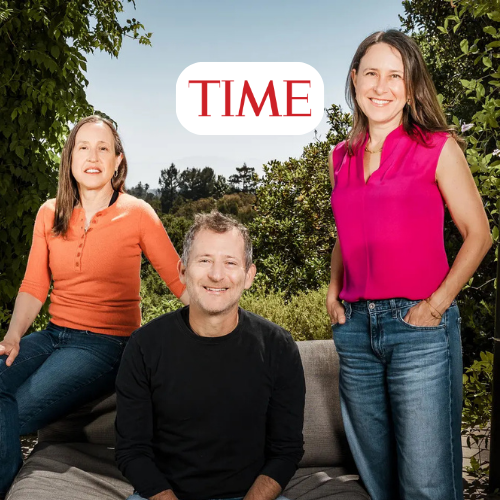
TIME Magazine Explores Foundation’s Mission in New In-Depth Feature Story
In a new feature story on newsstands now, TIME explores how the Susan Wojcicki Foundation is working to understand the changing demographics of lung cancer diagnoses and accelerate research into early detection.
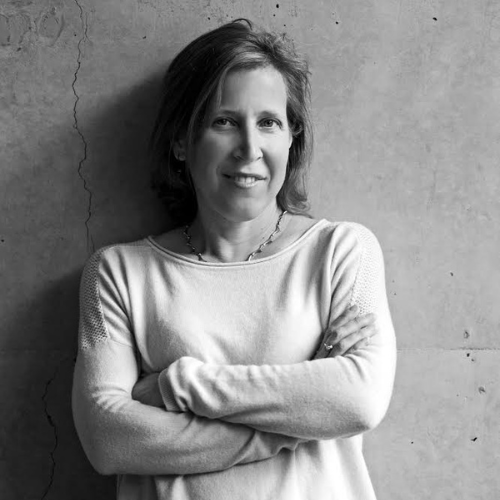
Two Years Later: Where Susan's Work Is Taking Us Next
Two years after Susan Wojcicki's death, the Foundation she inspired is accelerating research into early detection, prevention, and a future lung cancer vaccine.
What an Oncologist Wants You to Know About Environmental Cancer Risks - Washington Post
From air pollution to microplastics to natural radiation, here’s what to be aware of — and what can reduce exposure.