Our Work
To Save Lives Through Early Detection and Prevention

Advancing a Set of Three Interconnected Scientific Priorities

SCREEN
Expanding who benefits from screening.

DETECT
Finding lung cancer earlier than ever before.

PREVENT
Intercepting the disease before it starts.


Screen: Expanding Who Can Benefit From Screening
Today’s screening guidelines leave many people out. They reinforce stigma, narrow eligibility, and allow lung cancer to go undetected until it is advanced.
The Foundation invests in comprehensive studies designed to redefine how risk is understood. This includes efforts like the Lung Cancer Genetics Study and the Sherlock-Lung study, which combine genetic, environmental, and clinical data to identify previously overlooked patterns of risk.
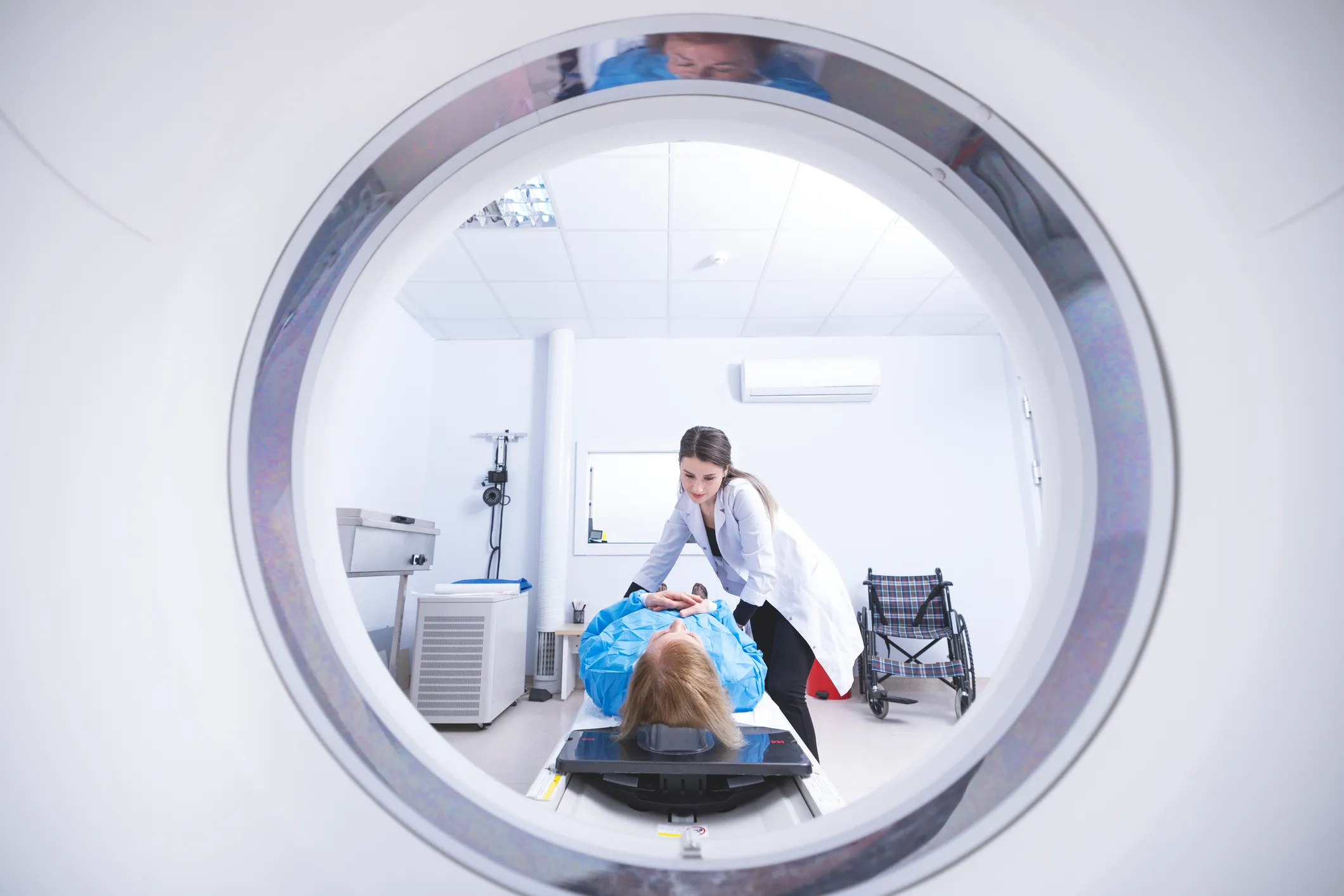
Detect: Advancing the Next Generation of Early Detection Tools
Even if more people become eligible for screening, current detection approaches are not ideal for use across diverse risk profiles.
The Foundation is investing in the next generation of early detection tools, such as blood-based tests, as well as focusing on AI-powered tools, including better ways to analyze or leverage advanced imaging.
Central to this effort is the creation of shared infrastructure, such as a first-of-its-kind biorepository that enables rigorous, side-by-side evaluation of emerging technologies using the same high-quality samples.

Prevent: Intervening to Stop Lung Cancer Before It Starts
Earlier detection opens a critical new window: the opportunity to intervene before lung cancer progresses.
Over the coming decade, the Foundation will support research into preventive and early-intervention strategies, including vaccines, tailored therapies, and other immunologic approaches for pre-cancerous or early-stage disease.

$X million
Total funding provided
Strategic funding deployed to accelerate research, advance early detection, and build pathways to real-world impact.
X+
Number of grants awarded
Supporting a diverse portfolio of projects across detection, screening, and prevention.
X,XXX+
Number of research participants reached
Engaging people directly in research to deepen understanding of risk, biology, and early disease.
XX
Number of institutions supported
Partnering with leading academic, clinical, and research institutions to speed up progress.
Help change lung cancer outcomes
Join us in building a future where lung cancer is found earlier, treated more often, and increasingly prevented.