What an Oncologist Wants You to Know About Environmental Cancer Risks - Washington Post
From air pollution to microplastics to natural radiation, here’s what to be aware of — and what can reduce exposure.
May 12, 2026
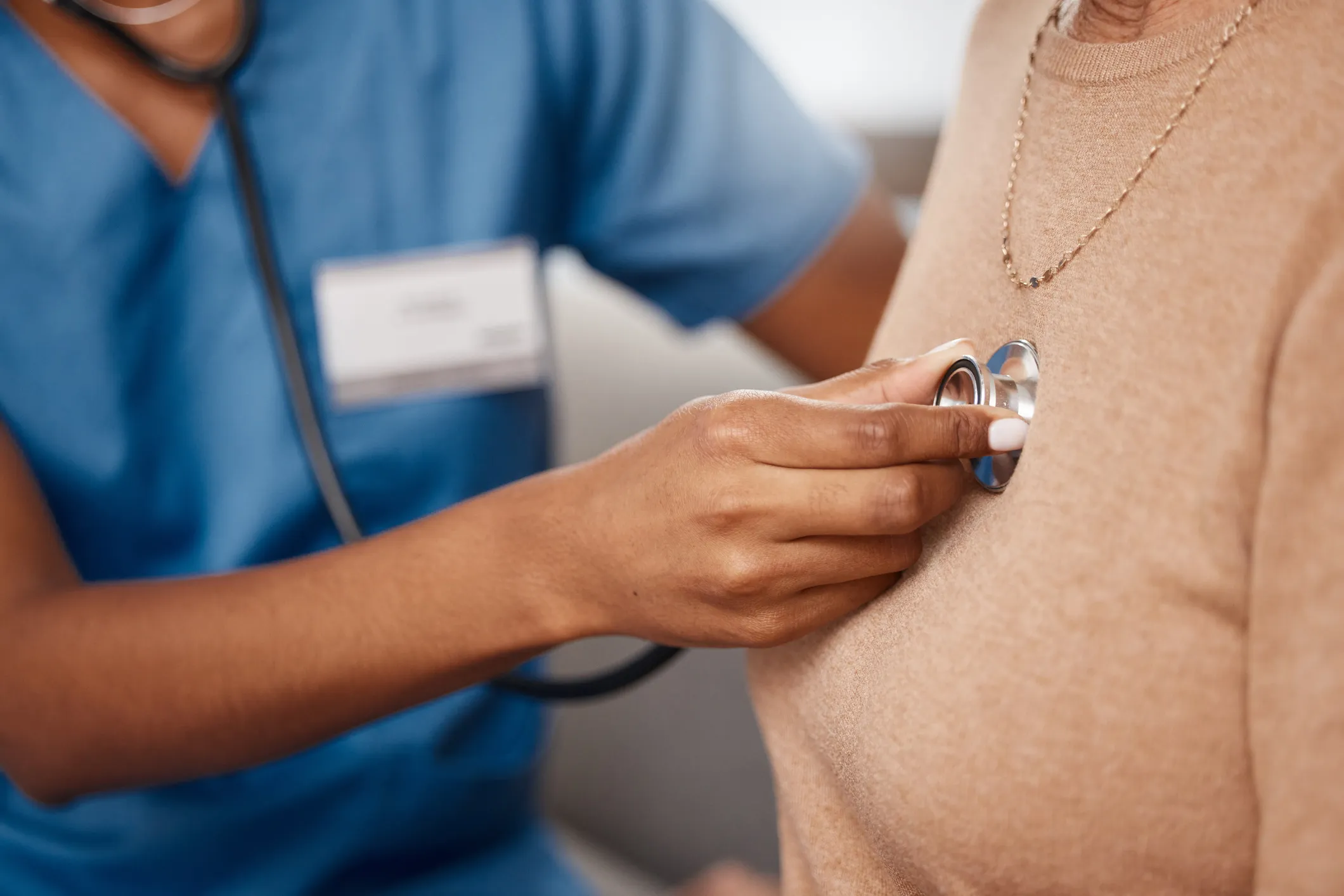
In a recent guest column for the Washington Post, Mikkael Sekeres, MD, chief of hematology and professor of medicine at the University of Miami’s Sylvester Comprehensive Cancer Center, lays out the latest thinking on environmental factors that actually contribute to cancer development, and what we can do to reduce our exposures.
Dr. Sekeres discusses environmental risk factors including radon, asbestos, microplastics, and air pollution.
“While we may not be able to avoid them completely, there’s plenty we can do to minimize our exposure,” Sekeres says.
The Susan Wojcicki Foundation is funding research to better understand these factors and what puts someone at risk for developing lung cancer, outside of traditional criteria.
Related Posts
.png)
In the News: Foundation Advisor Christine Berg Makes Case for Rethinking Lung Cancer Screening Policy
Dr. Christine Berg, who led the trial that shaped today's lung cancer screening guidelines, argues it's time for policy to catch up with the science.
.png)
Cancer Super-Avoiders: A New Frontier in Prevention Science
The Foundation has committed $2.69 million to Team ATLAS, a Cancer Grand Challenges team studying why some people at high risk never develop cancer and what that could mean for the rest of us.
.png)
Diverse Experts Come Together to Close the Lung Cancer Screening Gap
Our workshop with AstraZeneca tackles one hard question: how do we expand lung cancer screening to the people current guidelines leave out?