TIME Magazine Explores Foundation’s Mission in New In-Depth Feature Story
In a new feature story on newsstands now, TIME explores how the Susan Wojcicki Foundation is working to understand the changing demographics of lung cancer diagnoses and accelerate research into early detection.
June 9, 2026
.png)
In a new feature story from TIME, available on newsstands June 8th, 2026, the Susan Wojcicki Foundation shares its vision for advancing research and innovation in lung cancer detection and prevention. The story traces the personal journey behind the Foundation’s launch following the death of former YouTube CEO Susan Wojcicki in 2024 after her battle with lung cancer.
.jpg)
The piece highlights a shift in lung cancer demographics: an increasing share of diagnoses are occurring in younger people, non-smokers, and women—particularly women of Asian descent. Many of these patients experience few or no symptoms until the disease has significantly progressed. Through the Susan Wojcicki Foundation, Susan’s family is supporting research to better understand why this is happening and how earlier detection could ultimately help prevent the disease and save lives.
“It’s quite clear that abnormalities we see in young people with cancer of the lung are quite different than what is typically seen in [smoking-related] lung cancer,” said Dr. Edward Garon, professor and director of thoracic oncology at the Jonsson Comprehensive Cancer Center at the University of California Los Angeles, who was interviewed for the story.
The Foundation aims to bring together experts across medicine, science, and technology to drive breakthroughs in screening, diagnostics, and research funding.
Dr. Garth Graham, who leads Health at YouTube, worked with Susan while she was CEO of YouTube and is now working with the foundation via Google.org to leverage AI-based analysis to accelerate the search for risk factors and identify what may make people more vulnerable to developing early-onset lung cancer. “AI gives us an historical opportunity to understand the 'why,' and then we want to move into the 'what,'" Graham says. "What do you do, how do we save more lives, and how do we move forward on the issue of early detection?”
“This is something we have the imperative to carry on,” Susan’s sister Anne Wojcicki says. “Susan’s name should be associated with all the things she did with her career. But I think, hopefully, she is also associated with saving thousands of lives because she destigmatized it and advocated for early detection.”
Read the full article on TIME.com here, or pick up the June 8th edition at a store near you.
Related Posts

Lung Cancer Resources
A launchpad of resources, vetted by our team of experts and sourced from our partners and leading voices in the field of lung cancer.
.png)
Two Years Later: Where Susan's Work Is Taking Us Next
Two years after Susan Wojcicki's death, the Foundation she inspired is accelerating research into early detection, prevention, and a future lung cancer vaccine.
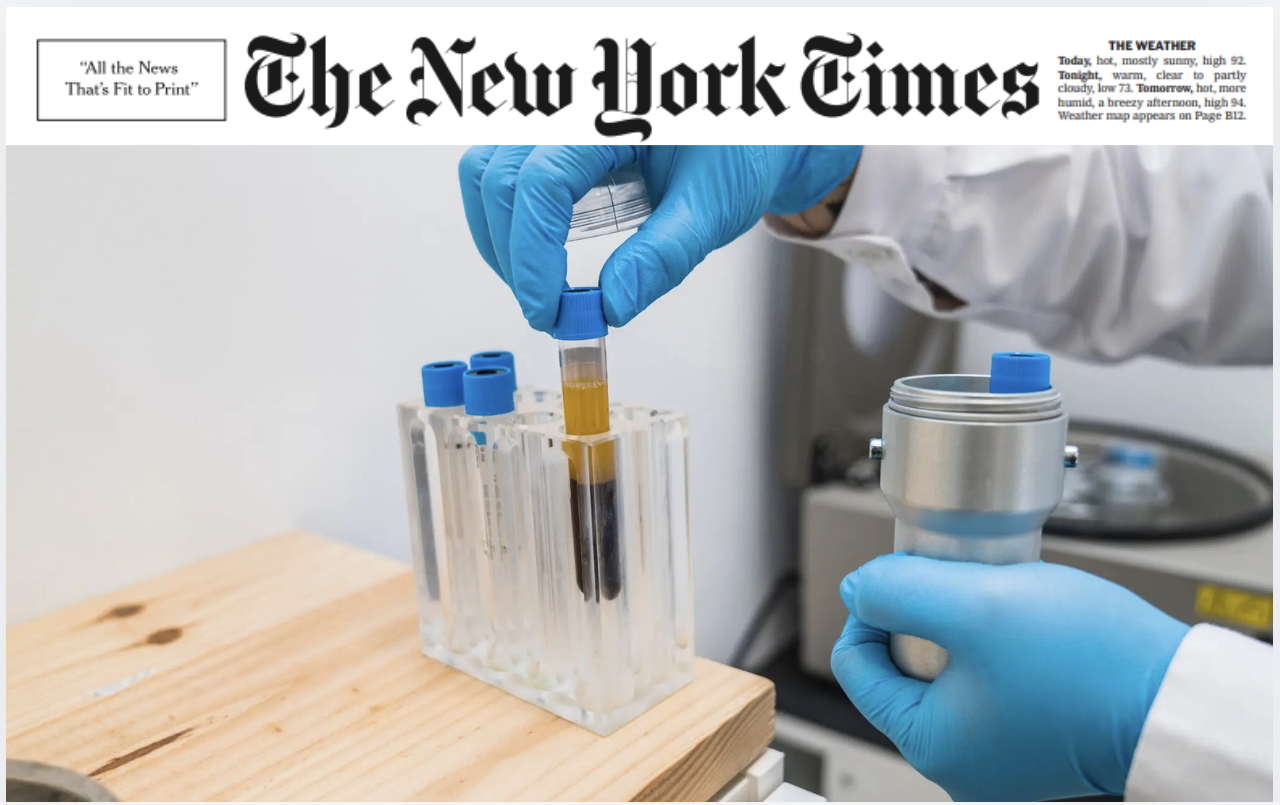
In the News: Foundation Advisor’s Promising Step Toward Lung Cancer Prevention Featured on Front Page of New York Times
New research reveals early warning signs of lung cancer risk, as well as a drug that may help prevent tumors from developing.