In the News: Foundation Advisor’s Promising Step Toward Lung Cancer Prevention Featured on Front Page of New York Times
New research reveals early warning signs of lung cancer risk, as well as a drug that may help prevent tumors from developing.
June 9, 2026
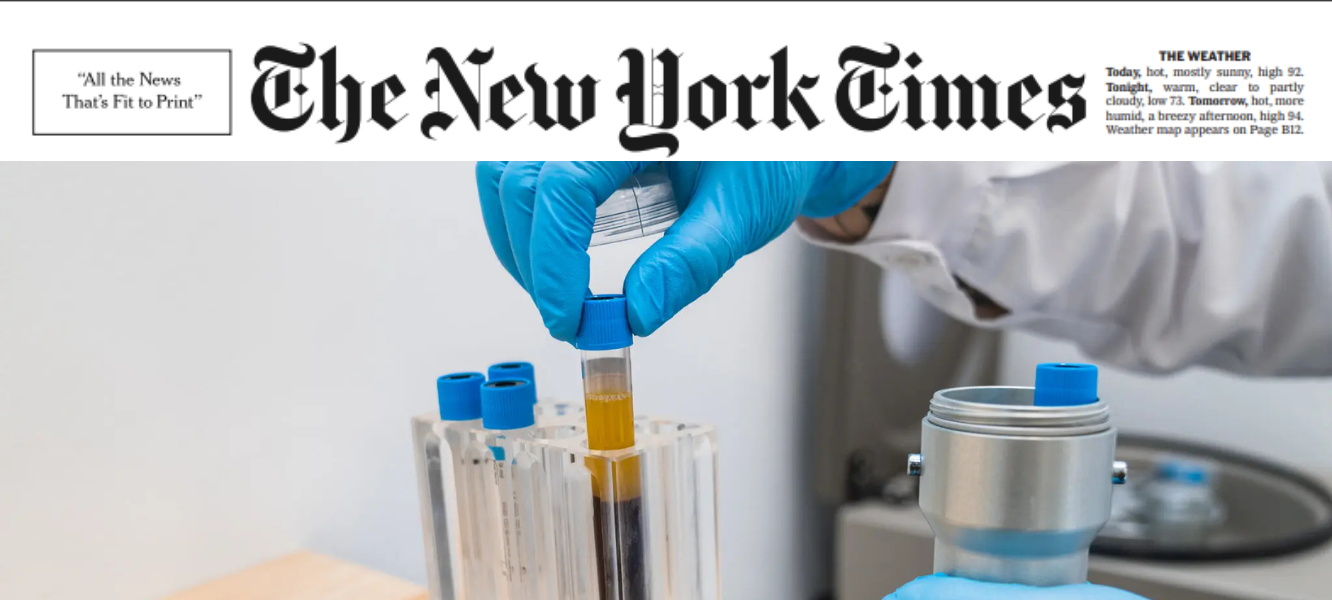
A groundbreaking study published last week in the scientific journal Cell offers new hope for lung cancer prevention. Researchers identified 14 proteins in the blood that can predict lung cancer risk more than five years before diagnosis. The findings also suggest early evidence that an existing anti-inflammatory drug may significantly reduce that risk of developing a tumor in individuals at elevated risk, as defined by the 14-protein signature. By pairing a blood-based biomarker with a preventative therapy, this creates a pathway to precision prevention in lung cancer.
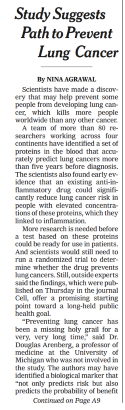
The research was led by Dr. Charles Swanton, clinical director at the Francis Crick Institute, a leading biomedical research center in London, alongside a team of more than 80 scientists working across four continents. Dr. Swanton also serves as a member of the Susan Wojcicki Foundation’s Scientific Advisory Committee.
The study reflects a broader shift in oncology research: from treatment toward earlier intervention, asking not just how we treat lung cancer, but how we stop it from developing at all. This is precisely the kind of prevention-focused work the Foundation exists to support. It's a powerful reminder of what investing in early-stage science can do: change outcomes for millions.
Read the full article from The New York Times and learn more about our work here.
Related Posts

One Month In. Extraordinary Momentum.
In the month since launching, the Susan Wojcicki Foundation has accelerated research, mobilized supporters, and built a movement around the urgent goals of finding lung cancer earlier, when it is most treatable, and preventing it altogether.
.png)
Researchers identify a rare inherited gene mutation that substantially raises a person's risk of developing lung cancer
Knowledge about this rare inherited gene change can empower those who may be at risk to speak to their doctor.
.png)
New research links family and personal cancer history to lung cancer risk
Researchers found that a personal or family history of cancer was associated with a higher prevalence of lung cancer diagnosis after analyzing 12 years of health records for 2.8 million women.