Diverse Experts Come Together to Close the Lung Cancer Screening Gap
Our workshop with AstraZeneca tackles one hard question: how do we expand lung cancer screening to the people current guidelines leave out?
August 27, 2026

.png)
Today, about half of all people diagnosed with lung cancer in the United States would not have qualified for screening under current guidelines. That troubling gap is what recently spurred a room full of global oncology and screening experts to brainstorm solutions.
In July, the Foundation hosted a workshop with AstraZeneca, joined by seventeen experts from across research, clinical care, data science and policy. This half-day session focused on a few core questions: based on what we know today, who should be screened for lung cancer, and how? And what will it take to get us there?
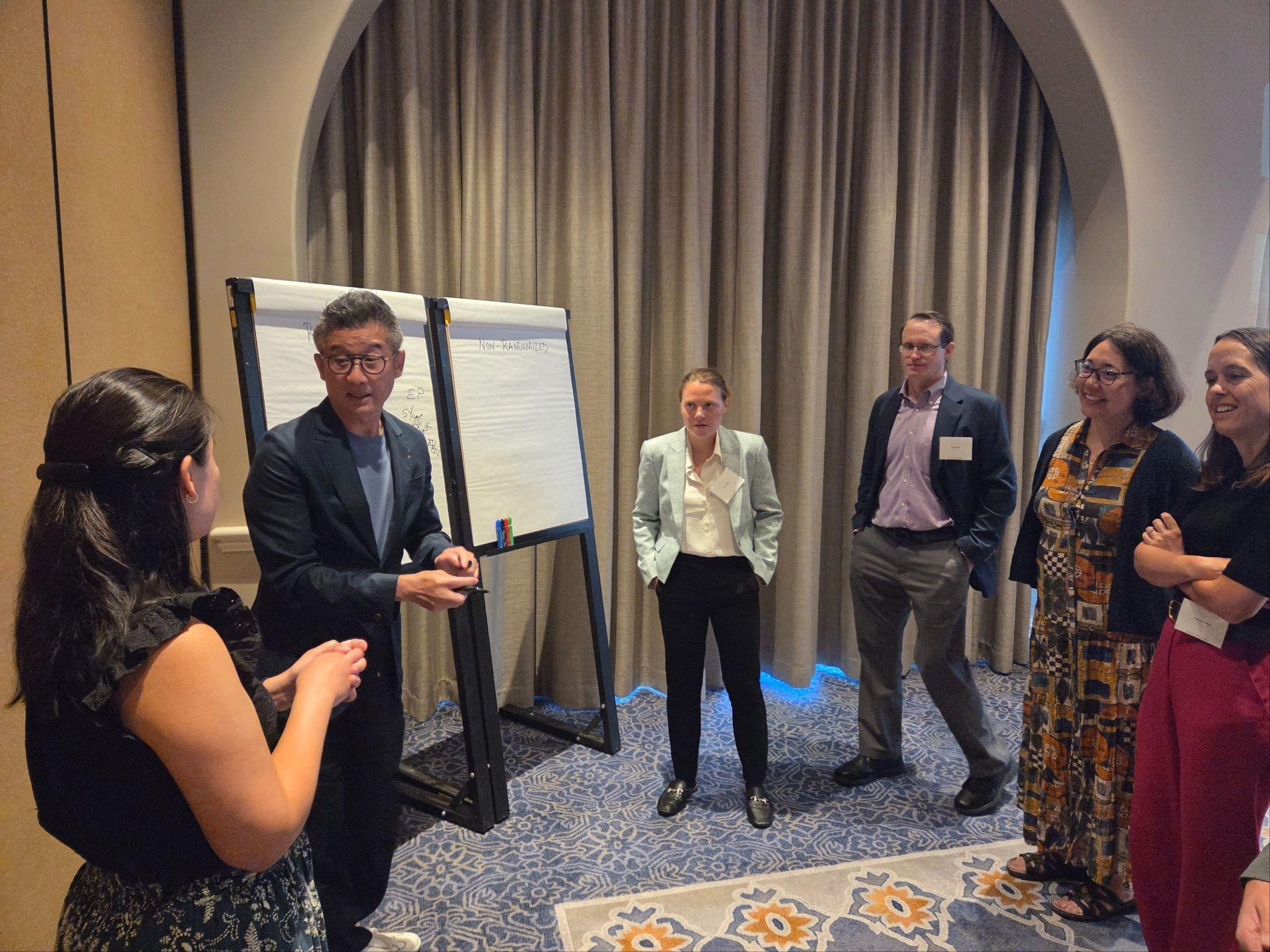
What we're learning together
The group agreed that screening needs to reach more people at risk, including those who fall outside today's guidelines. Changing the current screening paradigm will likely require a large-scale clinical trial to generate evidence of the benefit of expanded screening. But before a trial like this can happen, we first need to understand and fill the gaps in data and technology that would make designing and executing such a trial possible.
In relation to cutting-edge technology that could help expand screening, everyone expressed optimism about the direction of innovation: AI-powered imaging tools and biomarkers are showing real promise to help identify risk earlier. But that promise comes with an important caveat: many of these tools haven’t been tested prospectively yet, which means that we still need to confirm that the results hold up when applied in a clinical setting. What’s more, much of the data being used to build new tools comes from populations that already meet today's screening criteria, or was obtained using outdated imaging technology. These limitations increase the risk that new tools may not perform as well in currently ineligible populations or reflect today's clinical practice.
The workshop convened diverse experts from around the globe. For example, Dr. Ella Kazerooni, a member of our Scientific Advisory Committee and Professor of Radiology at University of Michigan, focuses on the development and evaluation of advanced imaging technologies and the delivery of quality screening to high-risk individuals. Another expert attendee, Prof. Pan-Chyr Yang, a leading expert in pulmonary medicine and lung cancer genomics at National Taiwan University, leads the Taiwan Lung Cancer Screening in Never-Smoker Trial (TALENT). This groundbreaking study has greatly expanded the field’s understanding of lung cancer in people without a history of tobacco exposure. Aligning in this way across disciplines is exciting and honors Susan Wojcicki’s belief that convening stakeholders with a range of perspectives and backgrounds can help solve big problems.
What comes next
The workshop wasn't just a conversation. The group found common ground on where the field should go, including the value of a shared bank of research samples that future studies could draw from. The session yielded a set of concrete next steps:
- Evaluate existing AI tools that could support future lung cancer screening studies and explore whether new, better imaging resources than the scans used today are needed to train and validate the next generation of AI tools.
- Convene a working group that will draft an early design for a potential guideline-changing clinical trial.
- Support early-stage work on new lung cancer risk-assessment tools, in order to spur development of novel technologies that could become part of tomorrow's screening paradigms.
What you can do
Lung cancer screening guidelines save lives, but eligibility is still based largely on age and smoking history, leaving many people who develop lung cancer outside current recommendations. Closing that gap is a key focus of our work at the Foundation.
In the meantime, understanding who's eligible for lung cancer screening today, and sharing that with someone you love, could make a real difference. If you think you may be at risk, even if you don't check every box on the current guidelines, talk to your doctor about whether screening makes sense for you.
Want to follow where this work goes next? Sign up for updates to stay connected as our research moves forward.
Caitlin Nichols, PhD is Director of Scientific Affairs at the Susan Wojcicki Foundation, where she leads scientific strategy and partnerships across the Foundation's research portfolio.
Related Posts
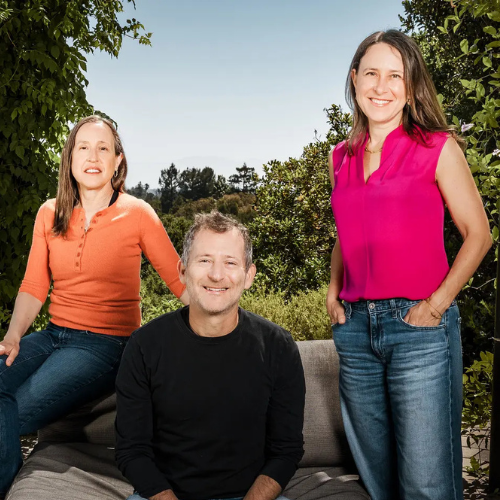
TIME Magazine Explores Foundation’s Mission in New In-Depth Feature Story
In a new feature story on newsstands now, TIME explores how the Susan Wojcicki Foundation is working to understand the changing demographics of lung cancer diagnoses and accelerate research into early detection.
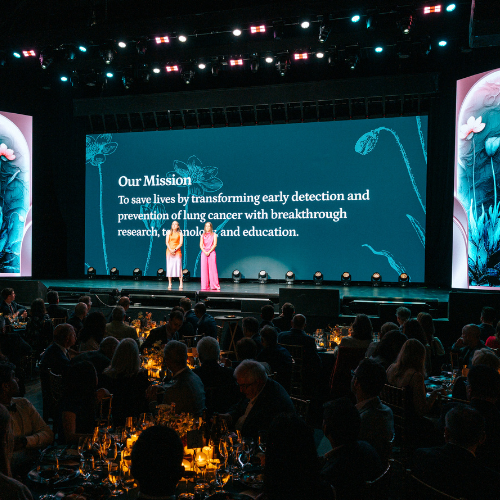
One Month In. Extraordinary Momentum.
In the month since launching, the Susan Wojcicki Foundation has accelerated research, mobilized supporters, and built a movement around the urgent goals of finding lung cancer earlier, when it is most treatable, and preventing it altogether.
.png)
In the News: Foundation Advisor Christine Berg Makes Case for Rethinking Lung Cancer Screening Policy
Dr. Christine Berg, who led the trial that shaped today's lung cancer screening guidelines, argues it's time for policy to catch up with the science.